Stuttering

Stuttering

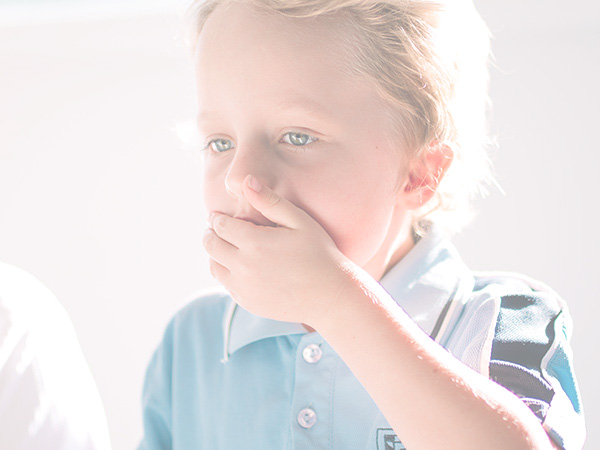
Stuttering is a speech disorder that causes interruptions in the rhythm or flow of speech.

Many young children go through a period of normal stutter like dysfluencies when their language skills are developing.

WHAT DOES STUTTERING LOOK LIKE?

A child’s dysfluencies may include:

  • Repeating sounds, syllables or words (e.g. “b-b-b-ball” or “I-I-I-want…”)
  • Stretching out sounds (e.g. “ssssssun”)
  • Getting stuck with no sound coming out for a moment (called a block)
  • Pausing or hesitating more than expected
  • Blinking or facial tension during speech

Children who stutter know exactly what they want to say, but sometimes their speech gets stuck or interrupted.

Stuttering can be influenced by a number of factors including:

  • Genetics
  • Differences in how the brain coordinates speech
  • Speech and language development
  • Individual temperament

Stress, excitement, tiredness or strong emotions make stuttering more noticeable at times.

WHEN SHOULD PARENTS SEEK HELP?

It is a good idea to talk to a Speech Pathologist if your child:

  • Has been stuttering for more than 6 months
  • There is a family history of stuttering
  • The child is becoming frustrated when talking
  • Has other speech and language difficulties
  • The child is avoiding speakingIs showing increasing tension or struggles with talking
  • You are worried, even if the stutter has only recently started

WHAT DOES STUTTERING INTERVENTION LOOK LIKE?

Speech intervention sessions focus on:

  • Building positive talking experiences
  • Supporting relaxed conversations at home
  • Reducing communication pressure
  • Using evidence based programs to support your child

Speech Moves supports parents with practical strategies that fit naturally into every day routines at home. We use evidence-based programs to promote positive communication outcomes.

Contact us if you’d like to find out how we can help your child.

Late talker?

Late talker?

Babies begin to learn from the moment they are born, firstly understanding what they hear and later, expressing themselves through talking. Most babies say their first words between 12-18 months, although the words may not sound exactly as they should.

Language is fundamental to a child’s development. Every child learns to speak by listening, playing with sounds and talking to others. We teach parents the skills they need to extend their child’s communication skills in everyday routines at home on a daily basis.

We use current evidence-based programs together with play-based hands-on intervention to develop your child’s communication skills.

Contact us if you’d like to start your child’s speech pathology journey.